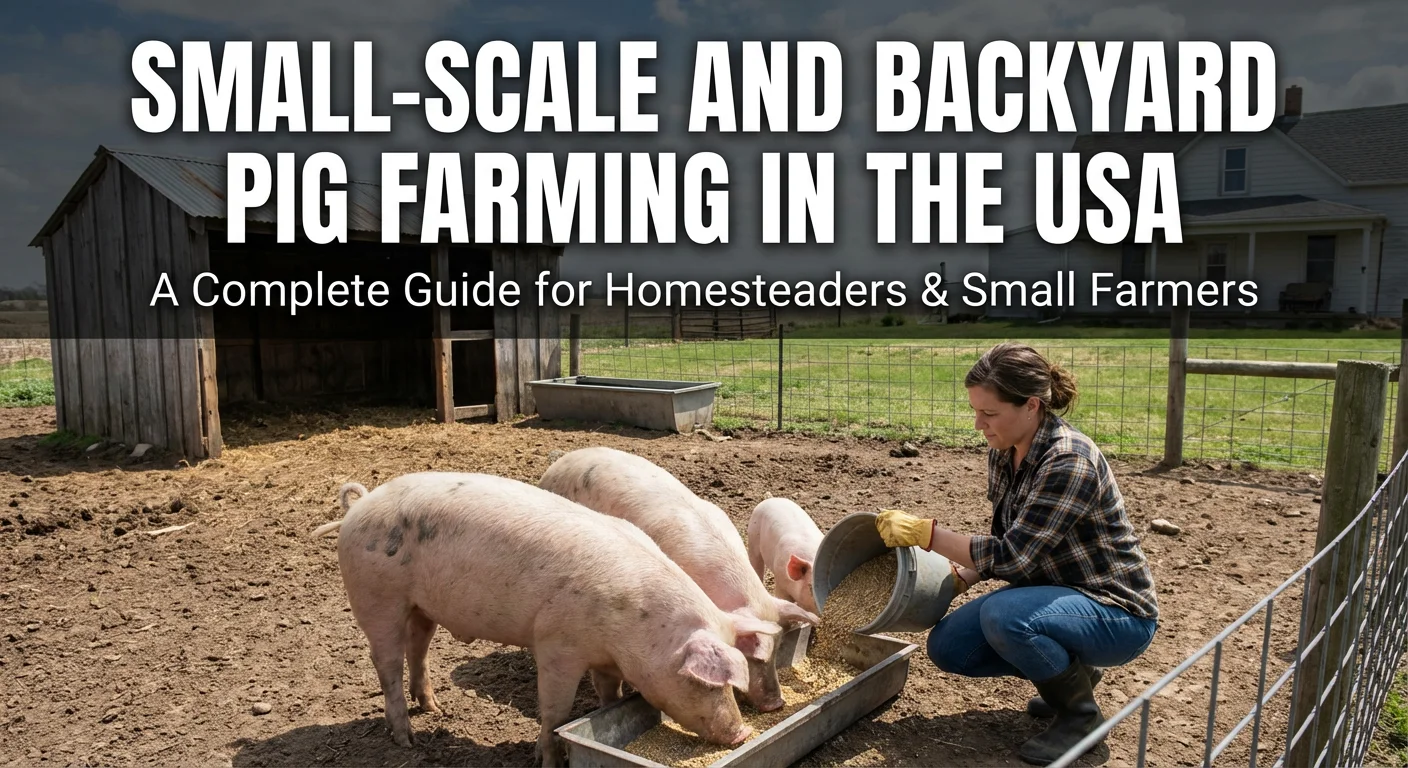
Small-Scale Pig Farming in the USA (2026): Complete Backyard & Homestead Guide | USAPIGS
Introduction
Small-scale pig farming in the USA has grown substantially as more Americans seek to produce their own food and embrace homesteading lifestyles. Whether raising a few backyard pigs for the family freezer or establishing a pastured pork operation for local markets, pig farming offers rewarding opportunities for those willing to invest the necessary time and resources.
Pigs hold a unique place in American agricultural heritage. Today, raising pigs at home appeals to homesteaders seeking food independence, small farmers building direct-to-consumer businesses, and families wanting to teach children about animal husbandry.
Heritage pig breeds—including Berkshires, Large Blacks, Red Wattles, and Gloucestershire Old Spots—have found new appreciation among small-scale producers. These breeds offer exceptional meat quality, foraging ability, and maternal instincts suited to pasture-based systems.
This guide provides everything beginners need to start a small pig operation, from initial planning to marketing.
What Is Small-Scale and Backyard Pig Farming?
Definition and Scope
Small-scale pig farming encompasses operations maintaining between one and fifty pigs outside conventional commercial production systems:
- Backyard pig keeping: Raising one to five pigs annually, often purchased as weaned piglets and raised for household meat production
- Homestead pig raising: Integrating pig production with gardens, orchards, and other livestock, often including a small breeding herd
- Pastured pork operations: Managing larger breeding herds on pasture or woodland for direct consumer sales
- Heritage breed conservation: Maintaining rare genetics while producing premium pork for niche markets
Each model serves different goals but shares common requirements for proper animal care and regulatory compliance.
How Small-Scale Differs from Commercial Pig Farming
Commercial pig operations typically house hundreds or thousands of pigs in climate-controlled confinement buildings using specialized genetics and professional veterinary oversight.
| Aspect | Commercial Operations | Small-Scale Operations |
|---|---|---|
| Scale | Hundreds to thousands | One to fifty pigs |
| Housing | Confinement buildings | Pasture, woodland, or simple shelters |
| Genetics | Commercial hybrids | Heritage breeds or crosses |
| Marketing | Commodity markets | Direct sales, local markets |
| Labor | Hired employees | Owner/family labor |
Understanding these differences helps beginners set realistic expectations.
Planning and Responsibilities Before Starting
Successful homestead pig raising begins long before the first piglet arrives. Thorough planning prevents costly mistakes and ensures readiness for daily demands.
Land and Property Assessment
Before acquiring pigs, honestly evaluate your property’s suitability:
- Space requirements: Plan for at least one-quarter acre per pig in rotational pasture systems, or 80-100 square feet per market hog in intensive pen systems
- Soil and drainage: Pigs quickly destroy poorly drained areas, creating mud wallows that compromise animal welfare and neighbor relations
- Setbacks: Measure distances from pig housing locations to property lines, neighboring homes, wells, and waterways—most jurisdictions require minimum setbacks
- Topography: Moderate slopes provide drainage; steep terrain creates erosion problems and complicates facility construction
Water Access
Pigs consume substantial water—three to five gallons per hundred pounds of body weight daily, increasing significantly in hot weather. Your property needs:
- Reliable year-round water supply
- Capacity for peak summer consumption
- Infrastructure to deliver water to pig areas
- Freeze protection for winter months in northern climates
Infrastructure Requirements
Essential infrastructure includes secure fencing, weather-appropriate shelters, feeding equipment, and water-delivery systems. Evaluate existing structures for potential conversion and budget realistically for necessary construction.
For detailed guidance on facilities, see [Backyard Pig Pen Setup].
Time, Labor, and Daily Care
Raising pigs at home demands consistent daily attention regardless of weather or personal schedules:
- 30-60 minutes daily for routine feeding, watering, and health observation
- Additional time weekly for bedding management and facility maintenance
- Seasonal peaks during farrowing (if breeding) or processing preparation
Pigs cannot be left unattended for weekends or vacations without arranging reliable backup care.
Budgeting and Financial Planning
Develop realistic budgets before purchasing animals. Typical costs include:
Startup Expenses
- Fencing: $500-$2,000+ depending on area and materials
- Shelter construction or modification: $200-$1,500
- Feeding and watering equipment: $100-$400
- Feeder pig purchase: $75-$200 per pig
Ongoing Operational Costs
- Feed (60-70% of total costs): $150-$250 per pig to market weight
- Veterinary care and medications: $25-$75 per pig annually
- Bedding materials: Variable based on system
- Processing fees: $150-$350 per pig for custom slaughter
A realistic budget for raising two feeder pigs to market weight typically ranges from $800-$1,200 total, including processing.
Skill Development and Educational Resources
First-time pig owners should pursue education before acquiring animals through Cooperative Extension workshops, community college courses, mentorship arrangements with experienced producers, and farm visits to observe working operations.
Laws and Registration Requirements
Small-scale pig farming in the USA operates within a framework of federal, state, and local regulations. Understanding and complying with these requirements protects your operation and the broader swine industry.
Federal USDA Requirements
The United States Department of Agriculture establishes baseline requirements applicable nationwide:
- Premises Identification: Register your location in the National Premises Identification System to receive a unique Premises Identification Number (PIN). While voluntary in many states, registration enables rapid communication during disease emergencies and facilitates interstate commerce
- Interstate Movement: Pigs crossing state lines require health certificates issued by accredited veterinarians, typically within 30 days of movement. Specific testing requirements vary by destination state
- Feeding Regulations: Federal law prohibits feeding mammalian protein to pigs and restricts garbage feeding to licensed, inspected facilities
State Regulations
Individual states maintain additional requirements that vary significantly:
- Livestock premises registration may be mandatory regardless of herd size
- Official identification (ear tags, tattoos) requirements differ by state
- Intrastate movement permits may be required for certain movements
- Sales regulations govern live animal sales, custom processing, and retail meat sales
Contact your state veterinarian’s office and the state department of agriculture to understand the specific requirements in your area.
Local Zoning and Permits
County and municipal regulations often impose the most restrictive requirements:
- Zoning classifications may limit pig keeping to agricultural zones
- Minimum acreage requirements often apply
- Animal number limits per property or per acre
- Setback distances from property lines and residences
- Permit requirements for livestock keeping
- Complete prohibitions on swine in some municipalities
Critical step: Verify local regulations before acquiring pigs. Violations can result in fines, forced animal removal, and legal liability.
For comprehensive regulatory guidance, see [Backyard Pig Farming Regulations].
Housing and Infrastructure
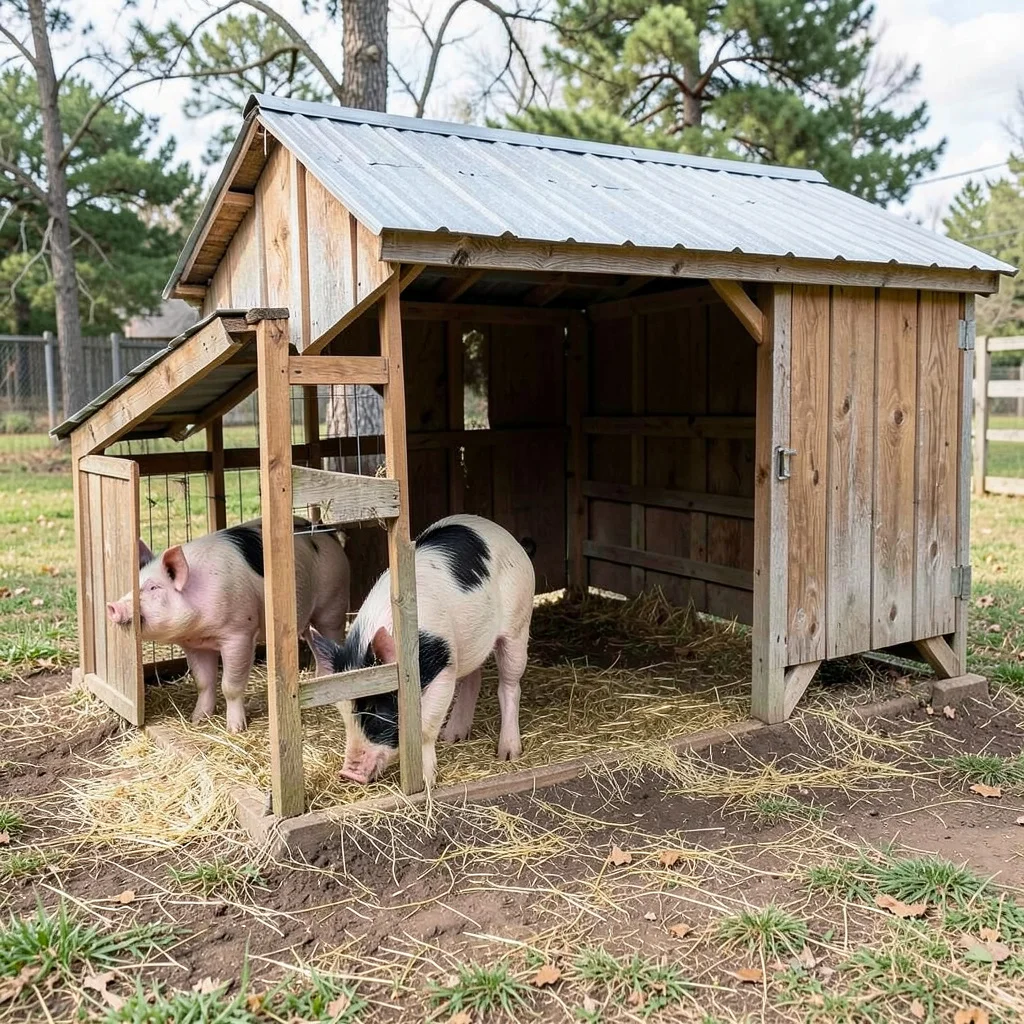
Proper housing protects pig welfare, facilitates management, and prevents escapes that damage neighbor relations and expose animals to disease risks.
Shelter Requirements
Pigs need protection from temperature extremes, precipitation, and direct sun. Housing options for small-scale operations include:
- Three-sided field shelters: Simple, economical structures providing rain and wind protection
- Converted outbuildings: Existing barns, sheds, or garages adapted for pig housing
- Portable huts: Manufactured or homemade structures that can be moved for pasture rotation
- Purpose-built facilities: New construction designed specifically for pig production
Essential Shelter Features
- Dry bedding area: Pigs need clean, dry resting space protected from moisture
- Adequate ventilation: Fresh air circulation prevents respiratory problems without creating drafts
- Temperature management: Shade and cooling for summer; supplemental heat for young pigs and farrowing sows in winter
- Appropriate sizing: 15-20 square feet of covered shelter per market hog; more for breeding animals
For detailed housing guidance, see [Pig Shelter and Bedding Options].
Fencing Systems
Containing pigs requires more robust fencing than most livestock. Pigs are strong, intelligent, and persistent escape artists.
Effective Fencing Options
- Welded wire panels: Heavy-gauge panels provide secure containment but higher cost
- Woven wire with board reinforcement: Traditional approach combining wire mesh with wooden boards at pig height
- Electric fencing: Single or multiple strands provide psychological barriers after proper training
- High-tensile wire: Multiple strands with proper spacing contain pigs economically over large areas
Critical Fencing Principles
- Secure fence lines at ground level or bury wire to prevent rooting under
- Minimum 36-inch height for finishing pigs; taller for boars and sows
- Gates require equal strength to fence lines
- Train new pigs to electric fencing in secure enclosures before relying on electric fencing alone
For fencing details, see [Backyard Pig Pen Setup].
Feeding and Watering Systems
Feed Equipment
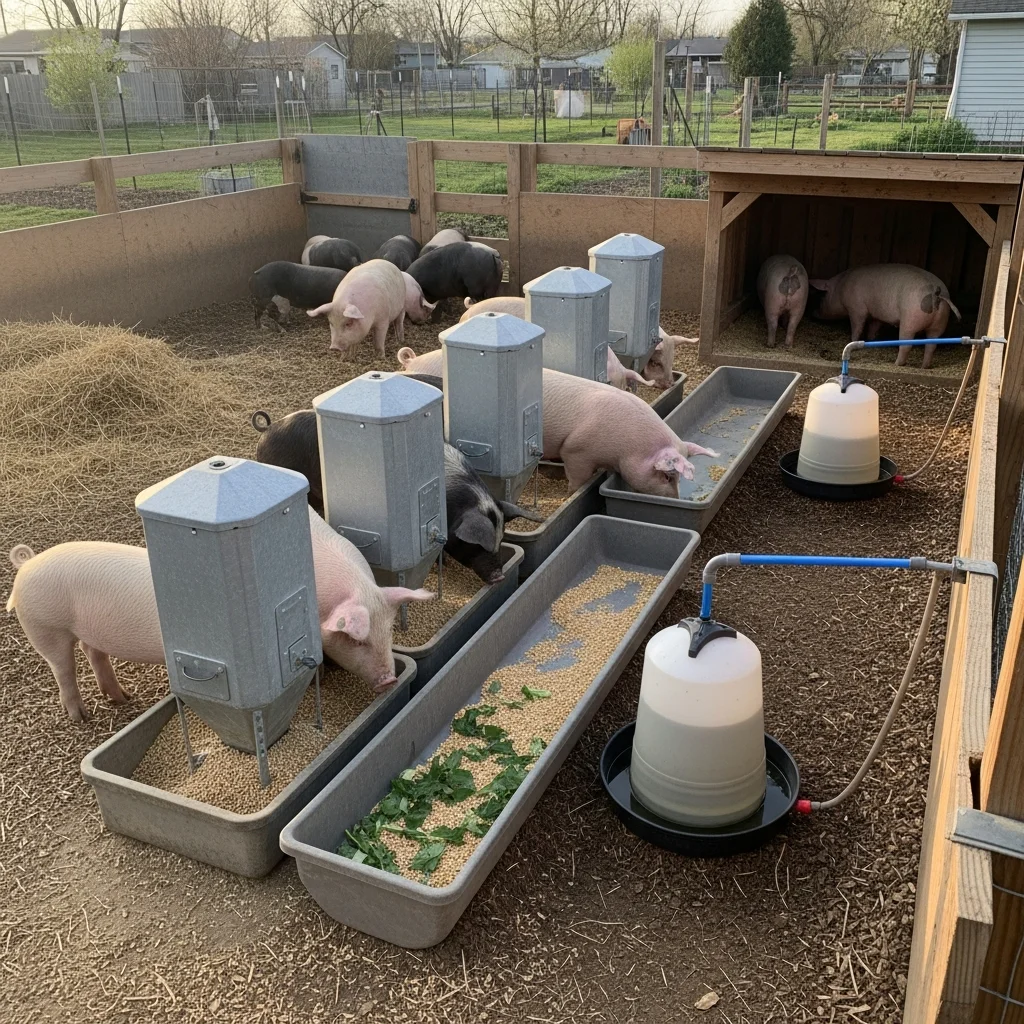
- Self-feeders: Allow ad libitum access; reduce labor but may increase waste
- Troughs: Enable controlled feeding; require multiple daily fillings
- Ground feeding: Acceptable in pasture systems, but increases waste
Water Systems
- Nipple waterers: Reduce contamination and waste; require freeze protection
- Bowl waterers: Provide easy access; need frequent cleaning
- Troughs: Simple but require daily cleaning and refilling
For water system options, see [Pig Watering Systems].
Space Requirements Summary
| Pig Category | Indoor Space | Outdoor Access |
|---|---|---|
| Weaned pigs (20-50 lbs) | 4-6 sq ft | 10+ sq ft |
| Growing pigs (50-125 lbs) | 6-8 sq ft | 15+ sq ft |
| Finishing pigs (125+ lbs) | 8-10 sq ft | 20+ sq ft |
| Breeding sows | 20-24 sq ft | 100+ sq ft |
| Boars | 48+ sq ft | 200+ sq ft |
Feeding and Nutrition
Feed represents 60-70% of pig production costs. Understanding nutritional requirements and feeding strategies directly impacts both animal performance and operational profitability.
Nutritional Needs by Production Stage
Starter Pigs (15-50 pounds)
Newly weaned pigs require highly digestible diets with 20-22% crude protein. Commercial starter feeds provide appropriate nutrient density during this critical growth phase. Feed consumption: 1-2 pounds daily.
Growing Pigs (50-125 pounds)
Protein requirements moderate to 16-18% as pigs develop. Grower diets support frame development and muscle growth. Feed consumption: 3-5 pounds daily.
Finishing Pigs (125 pounds to market)
Finisher diets containing 14-16% protein support final muscle development and appropriate fat deposition. Feed consumption: 6-8 pounds daily. Feed efficiency declines during this period.
Breeding Animals
Gestating sows require controlled energy intake to prevent excessive weight gain. Lactating sows need maximum nutrient density to support milk production—the most nutritionally demanding phase of pig production.
For stage-specific feeding guidance, see [Small-Scale Pig Feeding].
Commercial Feed vs. Homemade Options
Commercial complete feeds offer the most reliable nutrition for beginners:
- Formulated to meet all nutritional requirements
- Available for each production stage
- Consistent quality and nutrient content
- No mixing or formulation required
On-farm feed mixing can reduce costs for experienced producers with:
- Access to grain supplies at favorable prices
- Mixing equipment and storage facilities
- Nutritional knowledge for diet formulation
- Quality control capabilities
Most small-scale producers find commercial feeds more practical despite higher per-ton costs.
Kitchen Scraps and Alternative Feedstuffs
Small-scale operations may supplement commercial feeds with:
- Garden surplus: Vegetables, fruits, and culled produce
- Dairy products: Whey, excess milk (check local regulations)
- Spent brewing grains: Available from local breweries
- Bakery waste: Day-old bread and baked goods
- Pasture and forage: Pigs utilize grass, legumes, and browse
Critical Feeding Restrictions
- Never feed meat products to pigs—federal law prohibits mammalian protein in pig diets
- Garbage feeding requires federal licensing and cooking requirements that most small operations cannot meet
- Avoid moldy or spoiled feeds that can cause illness or death
For guidance on supplemental feeding, see [Feeding Pigs with Kitchen Scraps].
Feeding Management Tips
- Establish consistent feeding schedules—pigs thrive on routine
- Monitor individual appetites as health indicators
- Provide fresh, clean water at all times—inadequate water reduces feed intake
- Calculate feed conversion ratios to evaluate efficiency
- Adjust feeding rates based on body condition and growth targets
Health, Welfare, and Biosecurity
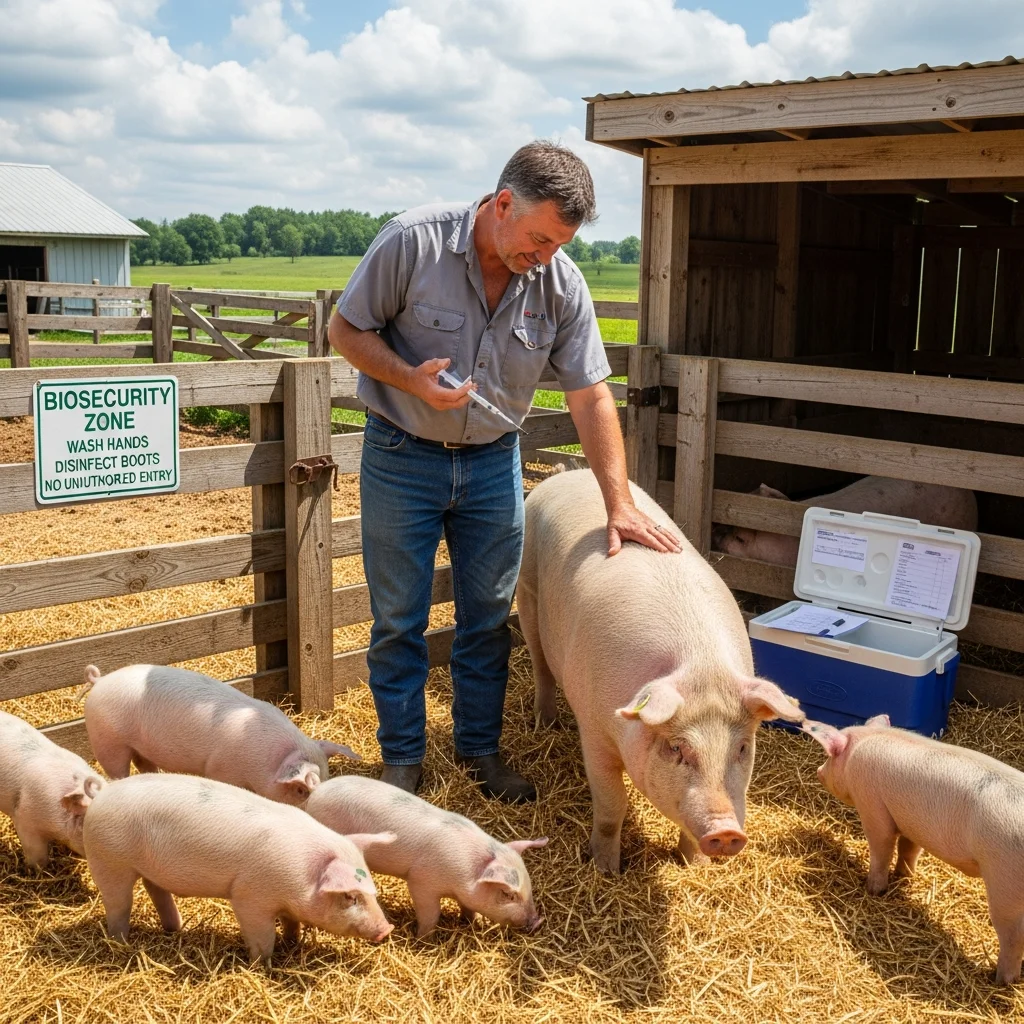
Maintaining pig health requires daily observation, preventive care, and strong biosecurity practices. Backyard pig care standards should match or exceed commercial welfare expectations.
Daily Health Monitoring
Learn to recognize healthy pigs:
- Alert, curious behavior
- Smooth, clean haircoat
- Clear eyes and nose
- Normal breathing without coughing
- Consistent appetite and water consumption
- Normal feces (firm but not hard)
- Sound movement without lameness
Any deviation from normal warrants closer examination and potentially veterinary consultation.
Vaccination and Preventive Care
Work with a veterinarian to develop appropriate health protocols for your region and production system:
- Core vaccinations may include erysipelas, leptospirosis, and parvovirus (for breeding herds)
- Deworming programs control internal parasites that reduce growth and feed efficiency
- External parasite control addresses mange mites and lice
- Iron supplementation for nursing piglets prevents anemia
For vaccination protocols, see [Pig Vaccination and Deworming].
Common US Pig Diseases
African Swine Fever (ASF)
The most critical disease threat facing US pork production. ASF is not currently present in the United States but has spread through Asia, Europe, and the Caribbean. This highly contagious viral disease kills nearly all infected pigs; no vaccine or treatment exists.
Prevention is essential:
- Never feed food waste containing pork products
- Source pigs only from reputable US suppliers
- Implement strict biosecurity protocols
- Report any unusual illness or death immediately to state or federal animal health officials
- Prevent all contact between domestic pigs and wild swine
Other Significant Diseases
- Porcine Reproductive and Respiratory Syndrome (PRRS): Viral disease causing reproductive failure and respiratory problems
- Porcine Epidemic Diarrhea (PED): Highly contagious viral diarrhea; severe mortality in young pigs
- Swine Influenza: Multiple viral strains causing respiratory disease
- Erysipelas: Bacterial disease causing skin lesions, arthritis, and sudden death; preventable by vaccination
- Mycoplasma Pneumonia: Chronic respiratory condition predisposing to secondary infections
For disease prevention details, see [Pig Health for Small Farmers].
Veterinary Relationships
Establish relationships with veterinarians experienced in swine before emergencies occur. Many regions have limited swine veterinary services; begin searching early. Veterinarians provide:
- Health certificates for animal movement
- Diagnostic testing and treatment guidance
- Vaccination program development
- Access to prescription medications
- Emergency consultation
Biosecurity Fundamentals
Biosecurity prevents disease introduction and spread:
- Quarantine new arrivals for 30+ days before contact with existing animals
- Limit visitor access to pig areas; require dedicated footwear and clothing
- Control wildlife contact—wild pigs, rodents, and birds transmit diseases
- Clean and disinfect shared equipment and vehicles
- Dispose of mortalities properly according to state regulations
- Maintain closed herds when possible; source replacements carefully
Environmental Management and Waste Handling
Responsible waste management protects environmental quality, maintains neighbor relations, and can provide valuable soil amendments for gardens and pastures.
Manure Production
A market-weight hog produces approximately 13 pounds of manure and urine daily—over one ton during a typical finishing period. This waste requires appropriate management regardless of the operation size.
Storage and Handling Options
- Deep bedding systems: Manure incorporated into straw or wood shavings composts in place, reducing odor and volume
- Scrape and stockpile: Collected manure stored in covered piles for later spreading
- Direct deposit on pasture: Rotational grazing distributes manure across paddocks
Composting Benefits
Properly composted pig manure:
- Kills pathogens and weed seeds
- Reduces odor
- Stabilizes nutrients for slow release
- Creates a valuable soil amendment
For composting guidance, see [Pig Waste Management Small Farms].
Odor Control Strategies
- Maintain dry bedding in housing areas
- Site pig facilities downwind from neighbors
- Apply manure during favorable weather conditions
- Incorporate applied manure promptly into the soil
- Plant vegetative buffers between facilities and neighbors
Land Application
Pig manure provides valuable nitrogen, phosphorus, and organic matter for crop and pasture production:
- Test soil before application to determine nutrient needs
- Calculate application rates based on nutrient content
- Observe setback distances from wells and waterways
- Time applications for crop uptake and minimal runoff risk
Integrating Pigs into Homestead Systems
Pigs contribute to diversified homesteads beyond meat production:
- Garden clearing: Pigs till and fertilize garden areas before planting
- Orchard management: Pigs consume fallen fruit and control vegetation
- Woodland improvement: Pigs clear the understory and reduce wildfire fuel loads
- Waste utilization: Pigs convert garden surplus and food waste into protein
For integration strategies, see [Integrating Pigs into a Homestead].
Marketing and Selling Pork
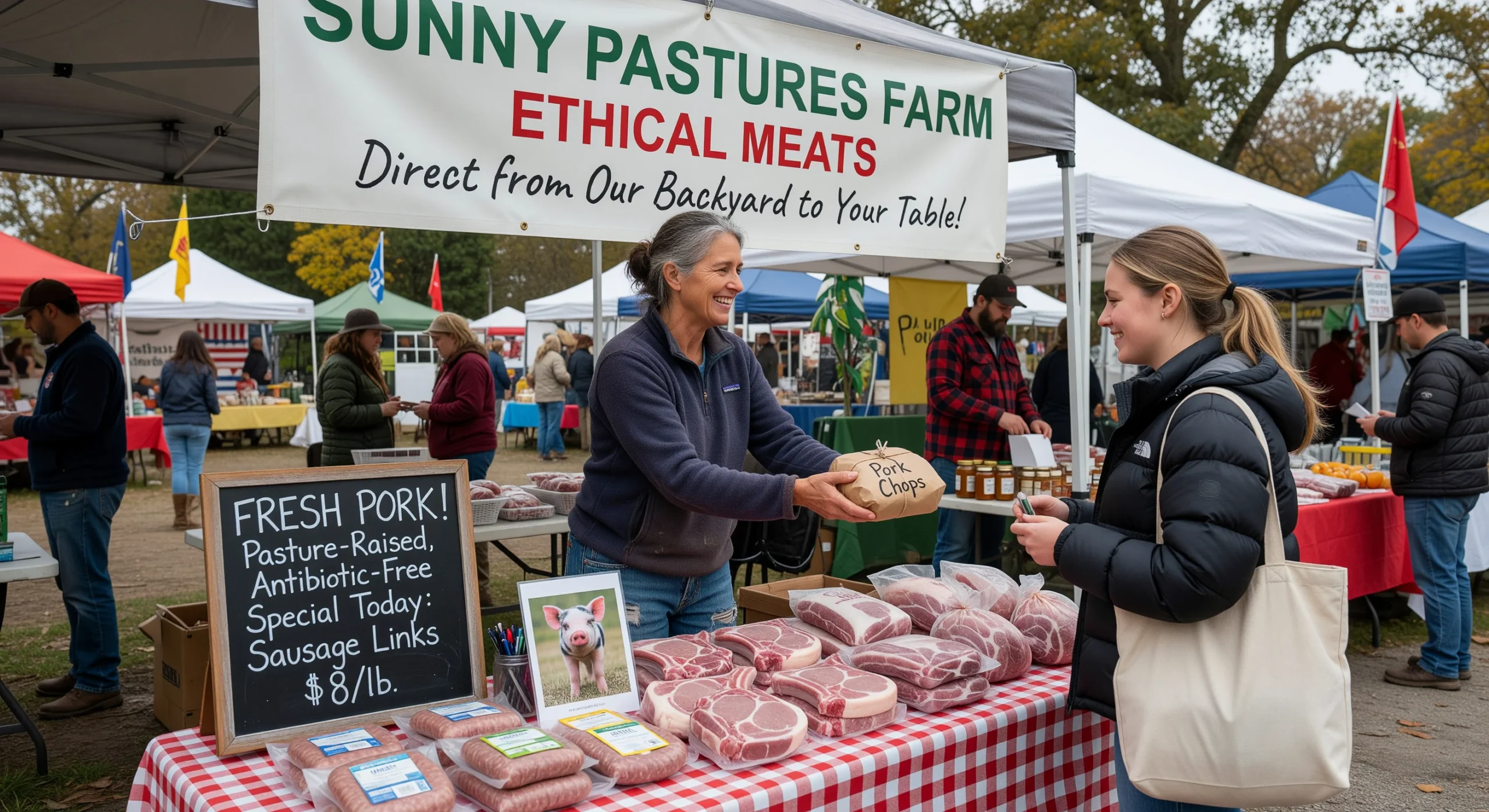
Small-scale producers have multiple options for marketing pigs beyond household consumption.
Legal Sales Options
Live Animal Sales
Selling live pigs for others to raise or process generally requires minimal licensing in most states. Buyers take possession before slaughter.
Custom Processing Arrangements
Producers sell live animals to buyers who then hire custom processors. The producer never owns the meat; the buyer pays processing fees directly.
Licensed Direct Sales
Selling processed pork directly to consumers requires:
- USDA or state-inspected processing
- Proper labeling and handling
- Compliance with state direct sales regulations
Farmers’ Markets and CSA Programs
Many states allow farm-direct meat sales at farmers’ markets or through community-supported agriculture (CSA) programs under specific conditions.
For marketing guidance, see [Selling Pork Locally].
Home Processing Considerations
Some producers process pigs themselves for household use:
- Check state regulations regarding on-farm slaughter
- Meat processed on-farm typically cannot be sold
- Proper equipment and technique ensure food safety and quality
- Consider humane handling and welfare throughout the process
For processing information, see [Home Pig Butchering].
Ethical Marketing Practices
Build customer trust through honest communication about:
- Production methods and animal welfare practices
- Breed characteristics and meat quality
- Processing and handling procedures
- Realistic pricing that reflects true production costs
When Small-Scale Pig Farming Is Appropriate—Or Not
Honest self-assessment helps prospective producers make informed decisions about whether pig farming fits their situation.
Situations Where Small-Scale Pig Farming Works Well
- Rural properties with adequate space, water, and distance from neighbors
- Committed individuals willing to provide daily care regardless of weather or personal schedules
- Prepared operations with appropriate infrastructure, knowledge, and veterinary relationships
- Locations where regulations permit pig keeping and intended marketing
- Realistic expectations about labor requirements, costs, and potential returns
- Genuine interest in animal husbandry and food production
Situations to Avoid
- Urban or suburban locations with inadequate space or neighbor proximity
- Properties violating zoning or homeowner association restrictions
- Insufficient water supplies or inadequate waste management options
- Unreliable commitment to daily care responsibilities
- Inadequate fencing and shelter due to budget constraints
- Wild pig presence where contact with domestic swine cannot be prevented
- No veterinary access for swine health care
- Unrealistic profit expectations are the primary motivation
Benefits and Risks Summary
Potential Benefits
- High-quality pork with a known production history
- Educational experiences for families
- Connection to food production and agricultural heritage
- Integration with garden and homestead systems
- Direct marketing opportunities
- Heritage breed conservation
Potential Risks
- Financial losses if production costs exceed returns
- Time demands limiting personal flexibility
- Disease introduction threatens animal health
- Neighbor conflicts from odor or noise
- Regulatory violations and legal liability
- Emotional difficulty at processing time
Resources and Support
Numerous organizations provide guidance and support for small-scale pig producers.
Federal Resources
USDA Animal and Plant Health Inspection Service (APHIS)
- National animal health programs
- Disease alerts and reporting
- Premises identification registration
- State veterinarian contacts
USDA Farmers.gov
- Farm program information
- Beginning farmer resources
- Conservation program guidance
For federal program details, see [USDA Resources].
Cooperative Extension System
Land-grant universities in every state provide research-based information:
- Production guides and fact sheets
- Workshops and training programs
- Youth livestock programs (4-H, FFA)
- Direct consultation with specialists
- Local producer networking
State Departments of Agriculture
Contact your state agriculture department for:
- Livestock registration requirements
- Movement and health certificate regulations
- Approved processing facilities
- Marketing regulations
Breed Associations
The Livestock Conservancy: Heritage breed information, breeder directories, and conservation programs
Breed-specific associations: Registration services, breed standards, and breeder networks for specific heritage and commercial breeds
Finding Veterinary Support
Locating swine veterinarians may require effort in many regions:
- Contact state veterinary medical associations
- Ask county extension educators for referrals
- Check with local livestock auction facilities
- Contact the veterinary college extension services
For support resources, see [Extension and Veterinary Support].
Frequently Asked Questions
How many pigs should a beginner start with?
Most beginners should start with two or three feeder pigs raised together for household consumption. Pigs are social animals that do poorly when isolated, and a small group allows learning without overwhelming new producers. Starting with breeding stock requires substantially more experience, infrastructure, and time commitment.
How much does it cost to raise a pig for meat?
Total costs typically range from $400-$600 per pig, including purchase price, feed, and processing—assuming existing fencing and shelter. Building infrastructure from scratch adds $500-$2,000 or more, depending on materials and scale. Processing fees at custom facilities run $150-$350 per pig, depending on services requested.
How long does it take to raise a pig to slaughter weight?
Feeder pigs purchased at 40-60 pounds typically reach market weight (250-280 pounds) in four to six months, depending on genetics, nutrition, and management. Heritage breeds often grow more slowly than commercial genetics, potentially requiring six to eight months to reach desired weights.
Can pigs be raised on pasture alone?
Pigs cannot meet nutritional requirements from pasture alone and require supplemental feed even in the best grazing systems. Pasture, garden produce, and forage may reduce feed costs by 10-30% but cannot replace balanced commercial or formulated rations. Young, growing pigs particularly need concentrated nutrition for proper development.
Do I need a permit to raise pigs in my backyard?
Requirements vary dramatically by location. Many rural areas permit small-scale livestock with minimal regulation, while suburban and urban areas often restrict or prohibit pigs entirely. Contact your county planning/zoning office and municipality before acquiring animals. Homeowner associations may impose additional restrictions beyond government regulations.
Conclusion
Small-scale pig farming in the USA offers genuine rewards for those who approach it with proper preparation, realistic expectations, and commitment to animal welfare. Raising pigs at home connects families with their food, supports heritage breed conservation, and can contribute to local food systems.
Success requires an honest assessment of your property, resources, and circumstances before acquiring animals. Adequate infrastructure, reliable water, compliant facilities, and backup care arrangements must be in place before the first piglet arrives.
The responsibilities of backyard pig care extend beyond individual animals to encompass disease prevention, protecting all US pork producers. Biosecurity practices—particularly preventing contact with wild swine and never feeding prohibited materials—represent obligations every producer shares.
Prospective pig keepers should invest in education through extension programs, experienced mentors, and veterinary relationships before beginning. Those who undertake homestead pig raising with appropriate preparation join a tradition of American small-scale agriculture that enriches lives, produces exceptional food, and contributes to sustainable local food systems.
This guide provides general educational information. Verify current regulations with appropriate federal, state, and local authorities. Consult veterinarians and extension professionals regarding specific situations.